Featured
Table of Contents
- – Comprehending the Trauma-Eating Problem Connec...
- – Brainspotting: Accessing Trauma Via Visual Han...
- – Accelerated Resolution Therapy: Quick Trauma P...
- – Specialized Trauma Therapy for Narcissistic Ab...
- – Integrating Anxiety Therapy with Eating Disord...
- – Finding Specialized Therapy: What to Seek
- – The Course Forward: Integrated Healing
Lynnwood, WA
When standard talk therapy fails to deal with the ingrained injury underlying eating problems, specialized therapeutic strategies can supply advancement healing. For people fighting with binge eating problem, anxiousness, or the consequences of narcissistic misuse, ingenious trauma-focused therapies are reshaping recovery results in extensive means.
Comprehending the Trauma-Eating Problem Connection
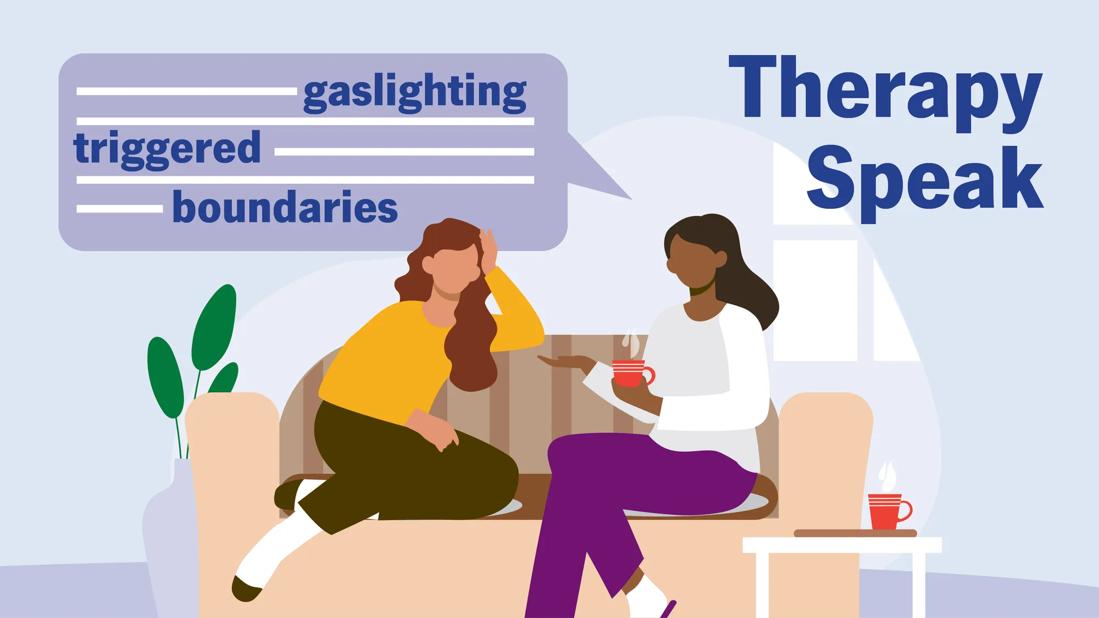
The connection in between terrible experiences and disordered eating patterns runs deeper than lots of recognize. Study continually demonstrates that people with binge eating problem frequently have histories of complicated injury, consisting of emotional misuse, egotistical relationships, and chronic anxiousness. The brain's action to unrefined injury typically shows up via attempts to control frustrating emotions through food-- creating cycles that conventional dietary techniques alone can not damage.
Injury does not simply stay in our memories. It comes to be encoded in the body and nerves, triggering automated actions that drive compulsive actions. This neurological truth explains why self-discipline and dish strategies regularly fail without addressing the underlying injury style. Reliable therapy needs methods that access and reprocess these deeply kept terrible experiences at their neurological resource.
Brainspotting: Accessing Trauma Via Visual Handling
Brainspotting stands for one of the most innovative advancements in trauma treatment over the past 20 years. This strategy identifies that where we look influences how we really feel-- and therapists learnt brainspotting usage this sensation to assist clients accessibility and procedure terrible memories stored in subcortical brain areas.
Throughout brainspotting sessions, therapists aid clients determine specific eye settings that associate with stressful activation in the body. By preserving focused attention on these "" brainspots"" while refining difficult memories or feelings, clients can release injury that spoken treatment can not get to. For people with binge eating problem, this method shows particularly useful because eating conditions commonly establish as coping devices for injuries that predate language or aware memory.
The somatic focus of brainspotting makes it particularly reliable for injury survivors whose bodies have actually learned to make use of food for psychological guideline. Instead than intellectually understanding trauma, customers experience straight resolution of the nerves dysregulation that drives compulsive eating patterns.

Accelerated Resolution Therapy: Quick Trauma Processing
Accelerated Resolution Therapy (ART) uses one more effective device for trauma survivors, specifically those tired by years of handling without development. This evidence-based method combines elements of eye motion treatment with volunteer image substitute strategies to help customers solve stressful memories in incredibly few sessions-- commonly in between one and 5.
What identifies ART from various other injury treatments is its concentrate on altering exactly how traumatic memories are kept without requiring customers to verbally recount excruciating information. For survivors of egotistical misuse that might feel pity or self-blame around their experiences, this aspect of ART therapy supplies essential mental safety and security. Customers can heal without re-traumatization with detailed storytelling.

The treatment works by making use of reciprocal eye movements to help with the brain's natural handling devices while the client focuses on upsetting photos or feelings. With assisted visualization strategies, customers after that replace traumatic images with even more flexible pictures, properly reprogramming just how memories are stored and accessed. This technique has actually revealed certain assurance for people whose eating disorders created as responses to relationship injury or psychological abuse.
Specialized Trauma Therapy for Narcissistic Abuse Recovery
Conceited misuse develops a distinct form of complicated injury that typical treatment strategies often battle to resolve effectively. The gaslighting, adjustment, and methodical erosion of self-respect integral in conceited partnerships need customized therapeutic understanding. Lots of survivors establish eating disorders as they try to reclaim control in relationships where their fact has been consistently rejected or misshaped.
Trauma-informed therapists that specialize in egotistical misuse healing comprehend that healing requires greater than processing particular occurrences. Survivors require assistance restoring their sense of truth, reconnecting with their instinct, and establishing healthy borders-- all while addressing the physiological trauma actions that may show up as disordered consuming, persistent anxiousness, or hypervigilance.
Effective therapy for narcissistic abuse survivors incorporates psychoeducation concerning control tactics with somatic methods that help clients reconnect with their body's knowledge. This mix confirms vital since narcissistic misuse particularly targets targets' trust in their very own assumptions and feelings-- the very resources needed for instinctive eating and emotional law.
Integrating Anxiety Therapy with Eating Disorder Therapy
Stress and anxiety and eating conditions exist in a bidirectional connection, each aggravating the various other in self-reinforcing cycles. Binge consuming episodes commonly adhere to durations of intense stress and anxiety, as food gives short-term relief from frustrating worried system activation. The results of bingeing usually sets off even more anxiousness, embarassment, and physiological anxiety-- bolstering the cycle.
Comprehensive stress and anxiety therapy within injury therapy addresses these interconnected patterns at several levels. Cognitive techniques aid customers identify and test anxiety-driven thought patterns, while somatic strategies educate nerve system law skills that decrease the requirement for food-based coping. Exposure-based treatments slowly enhance clients' ability to tolerate uncomfortable emotions without turning to binge consuming.
One of the most efficient anxiety treatment for consuming problem recovery recognizes that attempting to get rid of anxiety entirely is both difficult and detrimental. Instead, treatment concentrates on creating a healthier partnership with stress and anxiety-- discovering to experience it as information instead of emergency situation, and building confidence in one's capacity to ride emotional waves without numbing via food.
Finding Specialized Therapy: What to Seek
Choosing a specialist or therapy center for injury and eating condition recuperation requires cautious factor to consider. The most effective service providers provide numerous key aspects:
- Trauma-informed treatment that acknowledges eating problems as flexible feedbacks to overwhelming experiences instead of plain behavior troubles
- Specialized training in evidence-based injury handling methods like brainspotting or ART treatment
- Understanding of facility injury discussions including narcissistic misuse and developing trauma
- Assimilation of nervous system policy techniques together with cognitive and behavior approaches
- Acknowledgment that healing takes place in connection, needing healing attunement and safety and security
- Flexibility to adapt therapy pace and techniques to specific worried system capability
Providers like Ebb and Circulation Treatment in Seattle exemplify this thorough technique, using specialized trauma therapy that resolves the elaborate relationships between previous experiences, present eating patterns, and total psychological well-being. Their concentrate on evidence-based methods integrated with deep understanding of trauma's physiological impacts produces problems for real transformation instead of symptom management alone.
Acceptance and Commitment TherapyThe Course Forward: Integrated Healing
Recuperation from trauma-related eating problems needs perseverance, specialized assistance, and approaches that honor the extensive methods trauma forms both body and mind. While the journey needs nerve and dedication, the combination of cutting-edge injury therapies provides wish for healing that attends to origin as opposed to surface area habits.
For people ready to relocate past the limitations of traditional techniques, seeking therapists educated in brainspotting, ART treatment, and egotistical misuse recuperation can open up new pathways to freedom from both terrible pasts and disordered consuming patterns. The mind's exceptional capability for healing, when sustained by suitable healing intervention, makes complete healing not just feasible however progressively likely.

Table of Contents
- – Comprehending the Trauma-Eating Problem Connec...
- – Brainspotting: Accessing Trauma Via Visual Han...
- – Accelerated Resolution Therapy: Quick Trauma P...
- – Specialized Trauma Therapy for Narcissistic Ab...
- – Integrating Anxiety Therapy with Eating Disord...
- – Finding Specialized Therapy: What to Seek
- – The Course Forward: Integrated Healing
Latest Posts
Understanding Psychodynamic Therapy: A Deep Dive right into Comprehensive Psychological Analysis and Treatment
EMDR for Emotional Wellness
Building Your Healing Team While Processing Inherited Pain With Depression Therapy Practitioners
More
Latest Posts
Understanding Psychodynamic Therapy: A Deep Dive right into Comprehensive Psychological Analysis and Treatment
EMDR for Emotional Wellness
Building Your Healing Team While Processing Inherited Pain With Depression Therapy Practitioners